
The Ultimate Living Room Sofa Selection Guide
Finding the perfect sofa is like dating, but with higher stakes.
You’ll spend countless hours together. It needs to look good with your friends. And unlike that college boyfriend, this relationship should last at least a decade.
Your living room sofa selection can make or break your entire space. But here’s the thing – there’s no one-size-fits-all answer.
What you’ll discover in this guide:
- How to choose between sectional and traditional sofas
- Which fabrics actually survive real life (spoiler: not everything Instagram tells you)
- Sizing secrets that prevent that awkward “too big for the door” moment
- Style choices that won’t look dated in three years
Let’s dive into finding your perfect match.
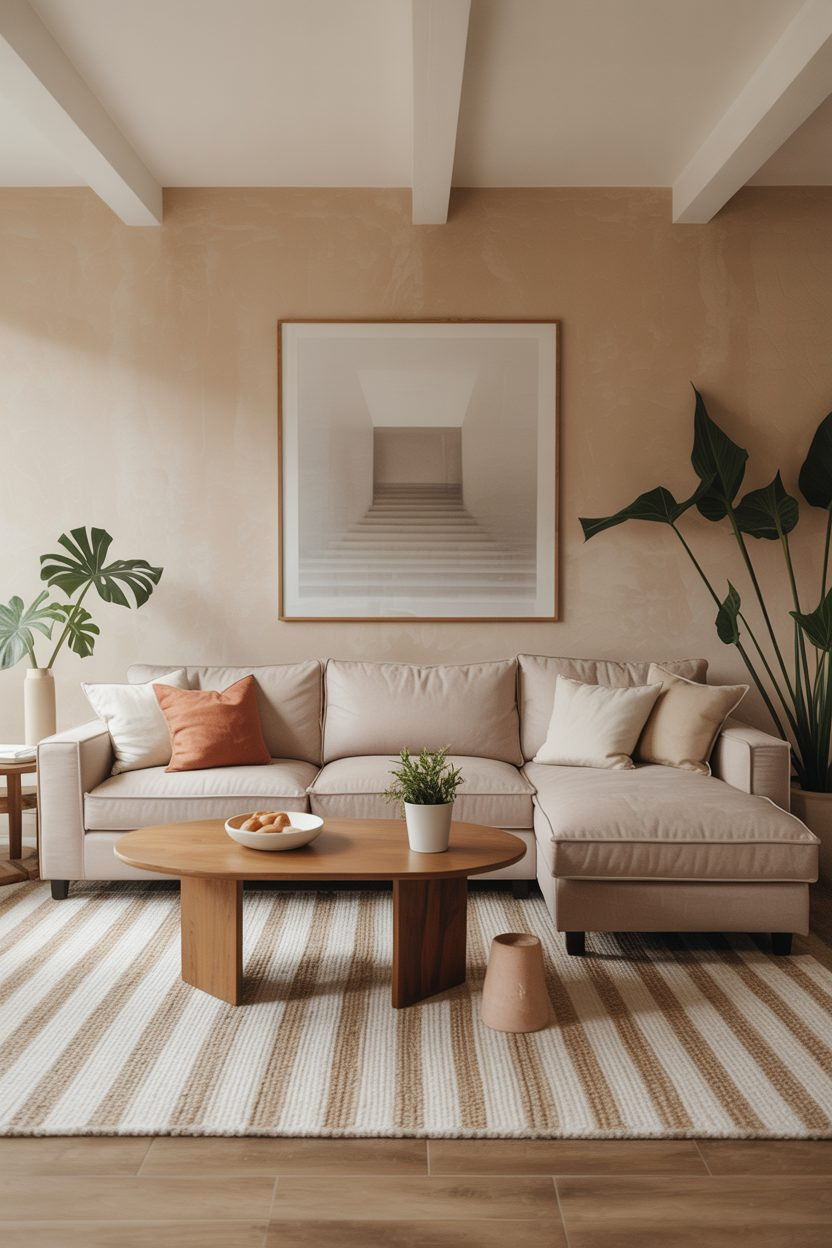
The Great Debate: Sectional vs. Traditional Sofa
Think of this as the fundamental question that shapes everything else. Like choosing between heels and flats – both have their place, but the right choice depends on your lifestyle.
When Sectionals Win
Space maximization is the sectional’s superpower. These L-shaped or U-shaped pieces can seat more people in less floor space than separate pieces. Perfect for those open-concept layouts where your living room does double duty as the family gathering spot.
Sectionals also create natural conversation areas. Instead of everyone staring at the TV like zombies, people actually face each other. Revolutionary concept, right?
Best sectional scenarios:
- Large families or frequent entertainers
- Open floor plans needing defined zones
- Corner spaces that feel awkward otherwise
- Homes where the living room serves multiple functions
Traditional Sofa Advantages
But don’t count out the classic sofa just yet. These standalone pieces offer flexibility that sectionals can’t match. Moving? No problem. Want to rearrange? Easy. Need to fit through a narrow hallway? Done.
Traditional sofas also pair beautifully with other seating. Think matching chairs, ottomans, or that vintage piece you inherited from your grandmother.
Choose traditional when:
- Your space is under 200 square feet
- You move frequently (military families, renters, restless spirits)
- Your style leans formal or traditional
- You prefer mixing different seating pieces
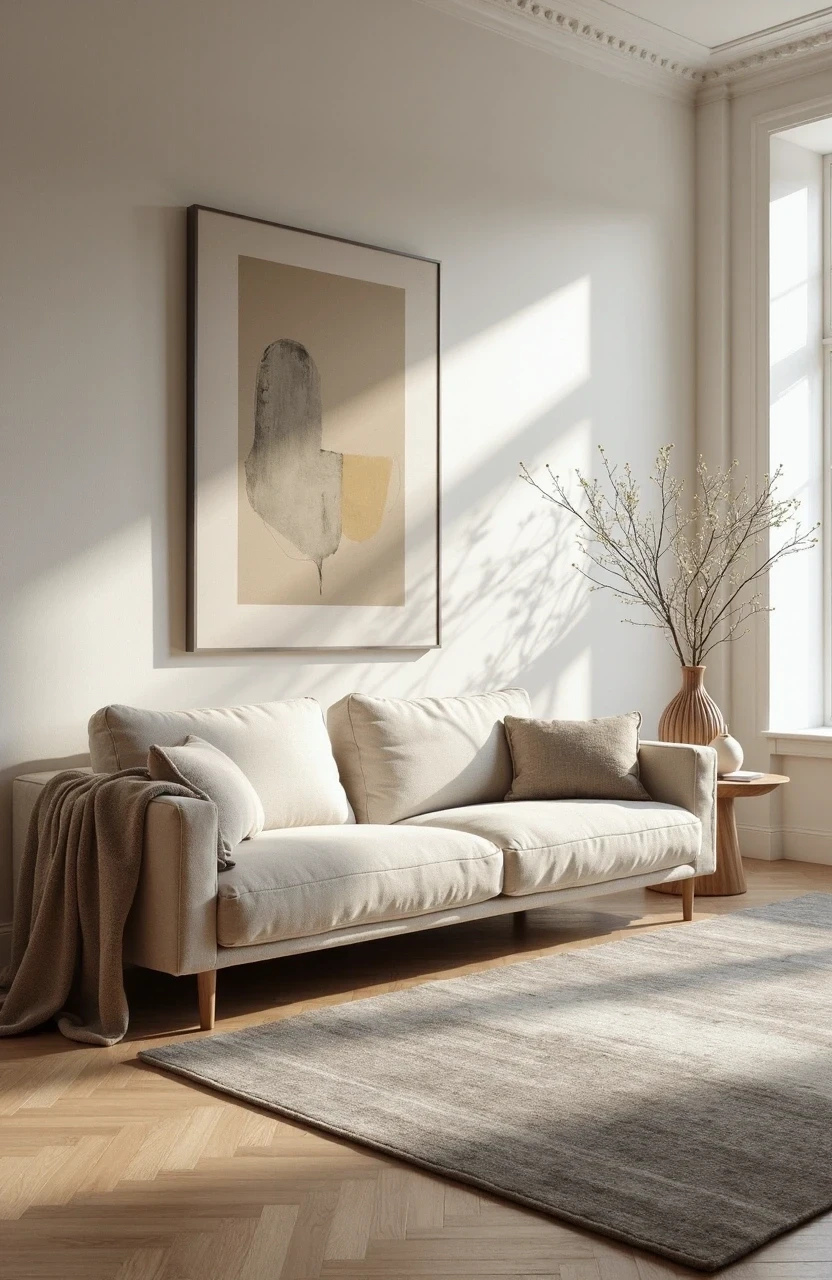
Fabric Reality Check: What Actually Works
Instagram lies. That gorgeous white linen sofa looks amazing in photos, but it won’t survive Tuesday, let alone your toddler’s art phase.
Performance Fabrics That Deliver
Modern performance fabrics have come so far that you can’t tell them from regular textiles. Brands like Crypton and Revolution offer fabrics that resist stains, fade, and wear while feeling genuinely luxurious.
Top performers include:
- Solution-dyed acrylic – Sunbrella isn’t just for patio furniture anymore
- Performance polyester blends – Stain-resistant and soft
- Treated natural fibers – Cotton and linen with protective coatings
The Durability Scale
| Fabric Type | Durability | Family-Friendly | Maintenance | Longevity |
|---|---|---|---|---|
| Performance polyester | Excellent | Yes | Low | 8-12 years |
| Treated cotton | Good | Moderate | Medium | 5-8 years |
| Leather | Excellent | Yes | Low | 15+ years |
| Velvet | Fair | No | High | 3-5 years |
| Linen | Poor | No | High | 2-4 years |
Leather: The Reliable Choice
Leather remains the gold standard for good reason. It ages gracefully (unlike the rest of us), improves with use, and handles spills like a champion. Yes, it’s an investment. But calculate cost per year, and quality leather often wins.
Leather pros:
- Gets better with age
- Easy to clean
- Naturally antimicrobial
- Classic appeal never goes out of style
Leather considerations:
- Higher upfront cost
- Can feel cold initially
- May crack without proper care
- Limited color options
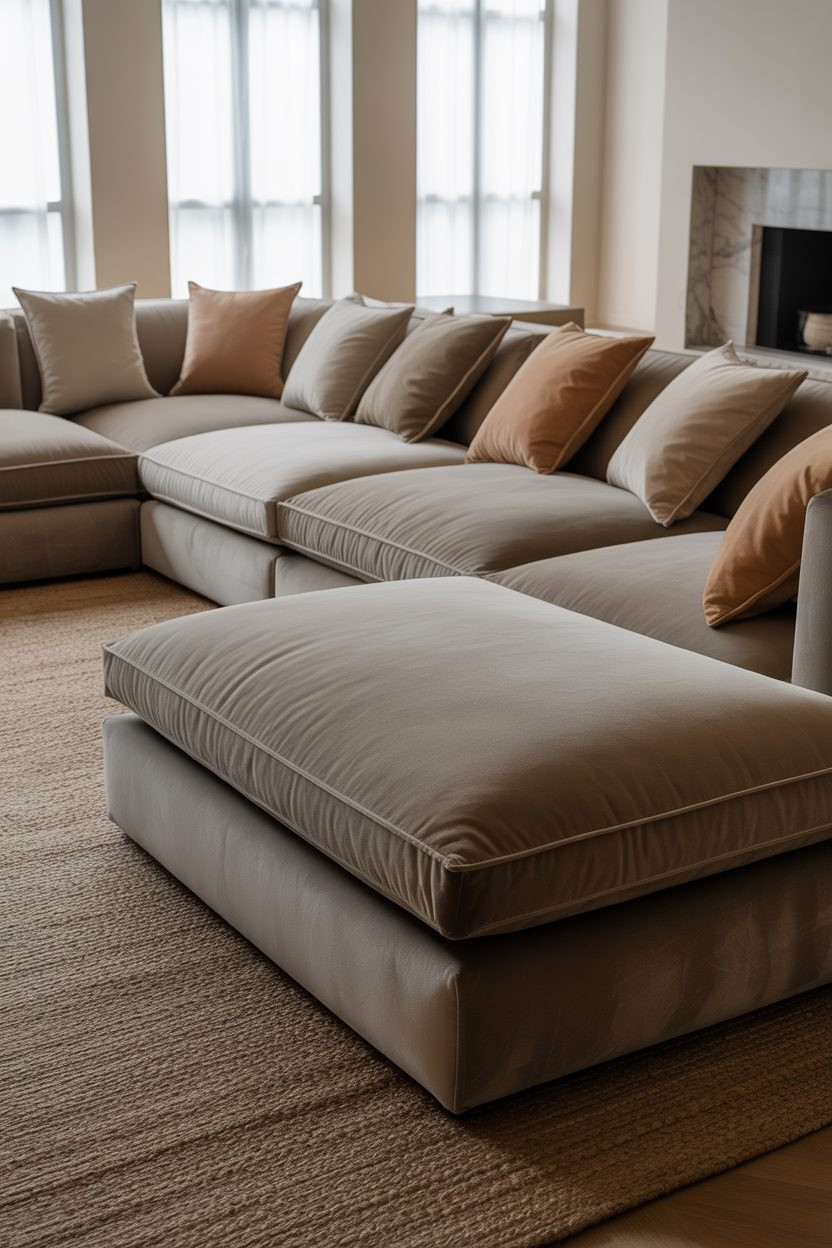
Size Matters: Getting the Measurements Right
This is where dreams meet reality. That oversized sectional might look perfect online, but if it won’t fit through your door, it’s heading straight back to the warehouse.
The Critical Measurements
Start with these non-negotiables:
- Room dimensions – Measure twice, order once
- Doorway widths – Including hallways and stairwells
- Ceiling height – Low ceilings make large sofas feel overwhelming
- Traffic flow – Leave 30-36 inches for walking paths
Scale and Proportion Guidelines
Your sofa should fill about 2/3 of your wall space. Too small, and it floats awkwardly. Too large, and your room feels cramped.
Room size recommendations:
- Small (under 150 sq ft): 72-84 inch sofa maximum
- Medium (150-250 sq ft): 84-96 inch pieces work well
- Large (250+ sq ft): Go wild with sectionals and oversized pieces
But here’s what the measuring guides don’t tell you – visual weight matters as much as actual dimensions. A low-profile sectional can be longer than a high-back traditional sofa while feeling less imposing.
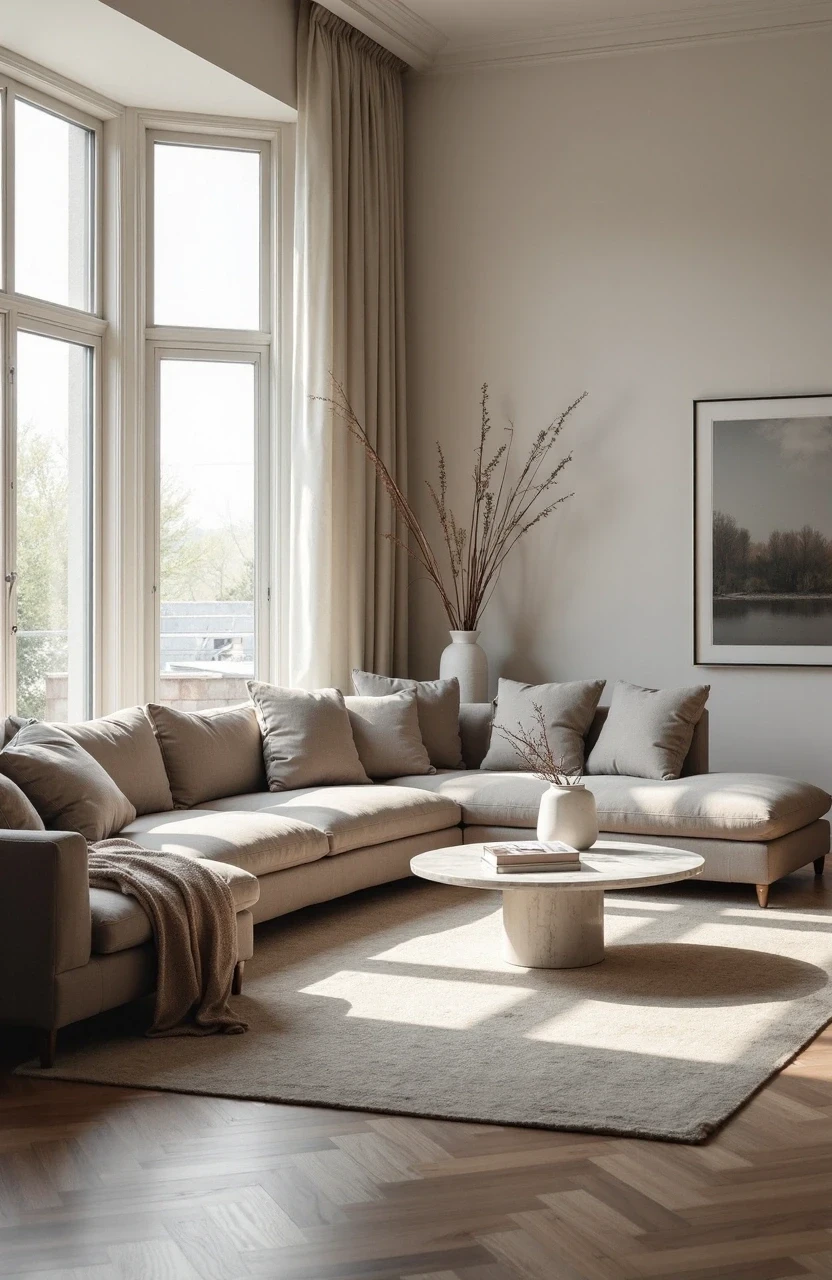
Style Psychology: Matching Your Lifestyle
Your sofa choice reveals more about you than your browser history. And unlike your browser history, everyone can see it.
The Entertainer’s Sofa
You host book clubs, dinner parties, and impromptu gatherings. Your sofa needs to accommodate groups while looking sophisticated enough for your mother-in-law’s approval.
Entertainer essentials:
- Sectionals with chaise lounges
- Durable, cleanable fabrics
- Neutral colors that work with changing decor
- Modular pieces for flexible arrangements
The Homebody’s Haven
Your ideal Saturday involves Netflix, takeout, and possibly not changing out of pajamas. Your sofa is your sanctuary, and comfort trumps everything else.
Comfort-first features:
- Deep seats (24+ inches)
- Soft, sink-in cushions
- Built-in recliners or chaises
- Cup holders (don’t judge)
The Style Maven’s Statement
You follow design blogs religiously and change your decor seasonally. Your sofa is a canvas for pillows, throws, and your ever-evolving aesthetic vision.
Style-forward choices:
- Classic silhouettes in trend-resistant colors
- High-quality construction to last through style phases
- Neutral base with personality through accessories
- Investment pieces with timeless appeal
Room Configuration Secrets
Every room has its personality quirks. Maybe your living room is long and narrow. Or perhaps it’s a perfect square with a fireplace throwing off the balance. Here’s how to work with what you’ve got.
Long and Narrow Spaces
These railroad-style rooms trip up even experienced designers. The temptation is to push everything against the walls, creating a bowling alley effect.
Instead, try this:
- Float your sofa perpendicular to the longest wall
- Create two conversation areas rather than one
- Use a sectional to break up the length visually
Square Room Solutions
Lucky you – square rooms are actually ideal for furniture arranging. You can create intimate conversation areas or open, flowing spaces depending on your preference.
Square room strategies:
- Center a sectional to create defined zones
- Use traditional sofas with chairs for flexible arrangements
- Consider multiple seating groups in larger squares
Open Concept Challenges
When your living room flows into your kitchen and dining area, your sofa needs to define the space without blocking the flow.
Open concept tips:
- Use your sofa as a room divider
- Choose pieces with attractive backs (you’ll see them from the kitchen)
- Maintain consistent color schemes throughout the space
- Consider console tables behind sofas for extra definition
The Investment Mindset
Let’s talk money, because pretending budget doesn’t matter is like pretending calories don’t count on weekends. Wishful thinking, but ultimately unrealistic.
Quality Indicators Worth Paying For
Frame construction separates furniture from future garage sale items. Hardwood frames with proper joinery last decades. Particleboard frames might survive the warranty period if you’re gentle.
Suspension systems determine how your sofa feels and wears. Eight-way hand-tied springs represent the gold standard, while serpentine springs offer good support at lower price points.
Cushion quality affects daily comfort and long-term appearance. Down-wrapped foam provides luxury feel with better shape retention than pure down.
When to Splurge vs. Save
Splurge on:
- Frame quality and construction
- Fabric durability and performance
- Pieces you’ll use daily for years
Save on:
- Trendy details that may date quickly
- Guest room or secondary seating
- Pieces you plan to replace within five years