
20 Japandi Decor Ideas for a Minimal Yet Warm Home
Japandi design is having a major moment right now. If you’ve scrolled through Instagram or Pinterest lately, you’ve probably spotted this gorgeous fusion of Japanese minimalism and Scandinavian coziness taking over home decor feeds everywhere.
Why is everyone obsessed? It’s simple:
- Japandi combines clean lines with natural materials
- It feels both fresh and timeless
- The style creates spaces that are uncluttered yet still inviting
- It’s practical without sacrificing beauty
Whether you’re looking to completely transform your living room or just add a few Japandi-inspired touches, these 20 ideas will help you create a space that feels both minimal and warm at the same time. Let’s dive in!

Natural Wood Elements
Incorporate unfinished or lightly finished wood furniture and accents. The beauty of Japandi style is how it celebrates the natural grain and texture of wood. Think oak coffee tables, walnut side tables, or bamboo accessories that showcase the material’s organic patterns. This creates an instant connection to nature while keeping things simple and elegant.
Neutral Color Palette
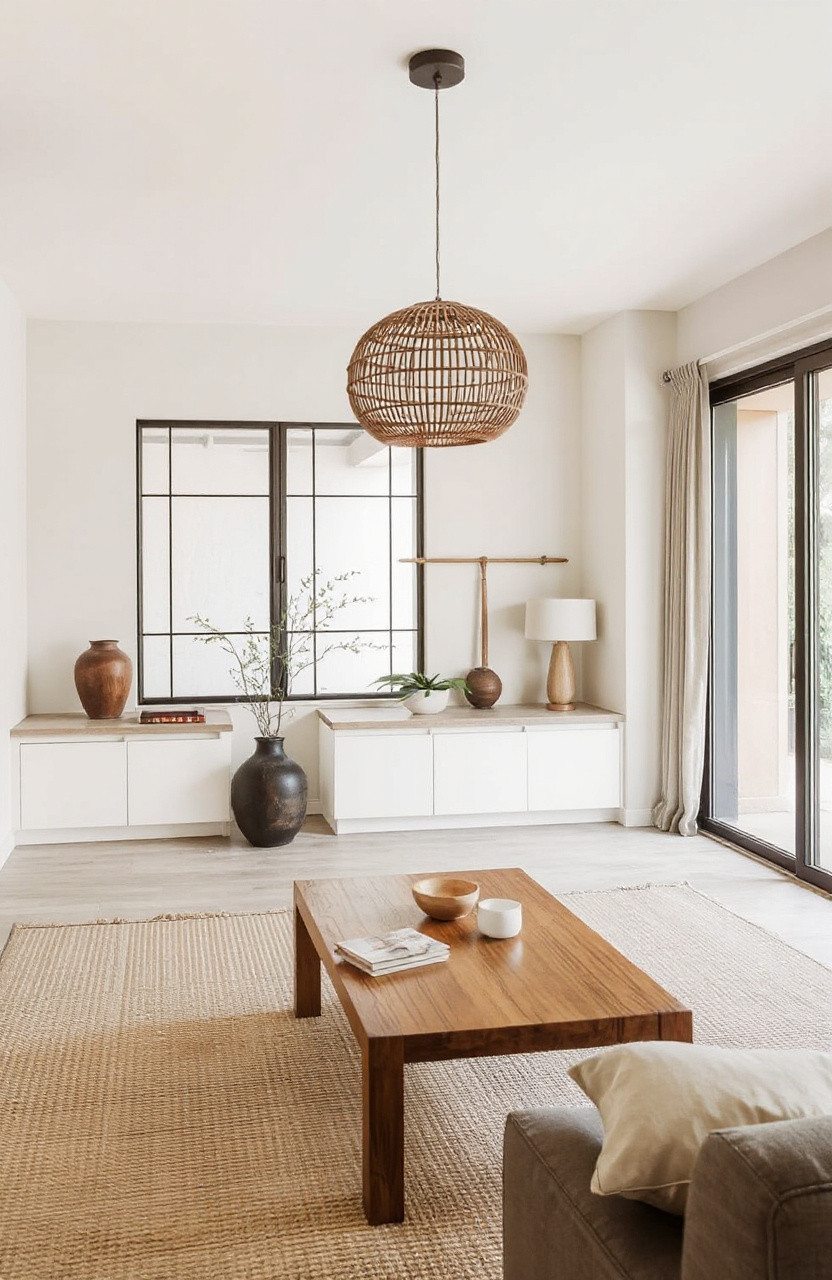
Embrace soft, muted colors that create a sense of calm. Japandi interiors typically feature a foundation of whites, creams, beiges, and grays, occasionally accented with black for contrast. These understated hues allow the natural materials and thoughtful design elements to take center stage without overwhelming the space. The result is a room that feels both cohesive and intentionally curated.
Low-Profile Furniture
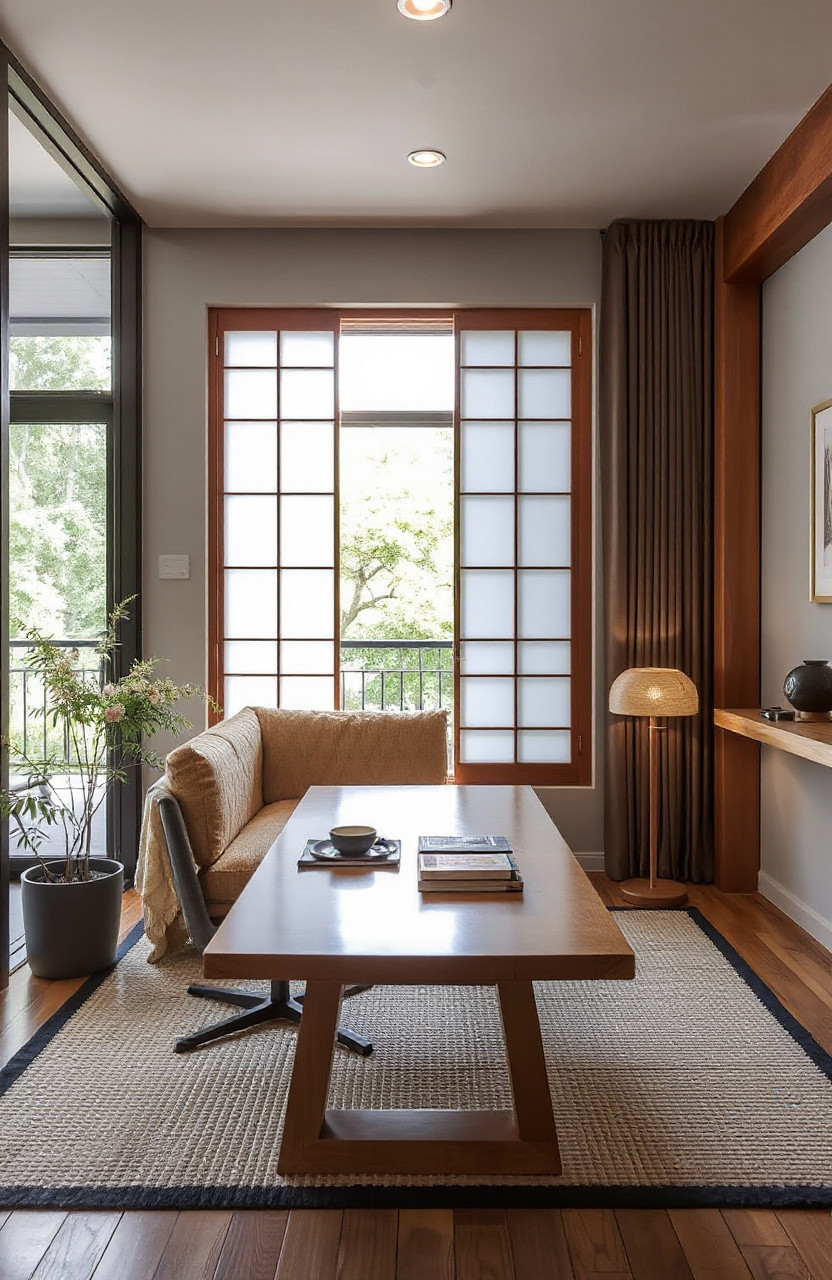
Choose furniture pieces that sit closer to the ground. Low-slung sofas, platform beds, and coffee tables with shorter legs all contribute to the distinctly Japandi silhouette. This design choice creates a sense of groundedness and tranquility in your space, while also making rooms appear larger and more open. It’s practical minimalism at its finest.
Functional Simplicity
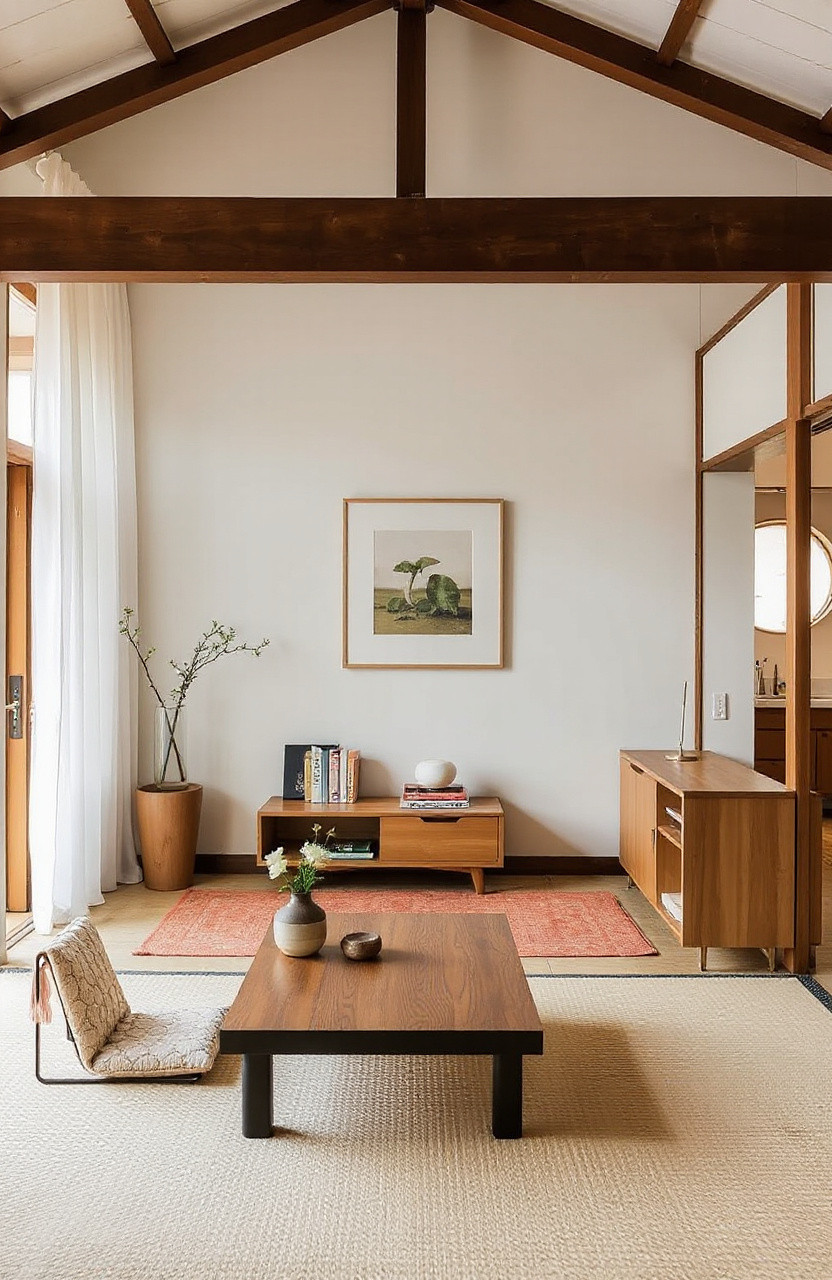
Prioritize pieces that serve a clear purpose without unnecessary frills. In Japandi design, everything should earn its place through both beauty and function. Look for items with clean lines and minimal ornamentation that solve a specific need in your space. Ask yourself: “Does this object serve a purpose?” If not, it might not belong in your Japandi-inspired home.
Indoor Plants
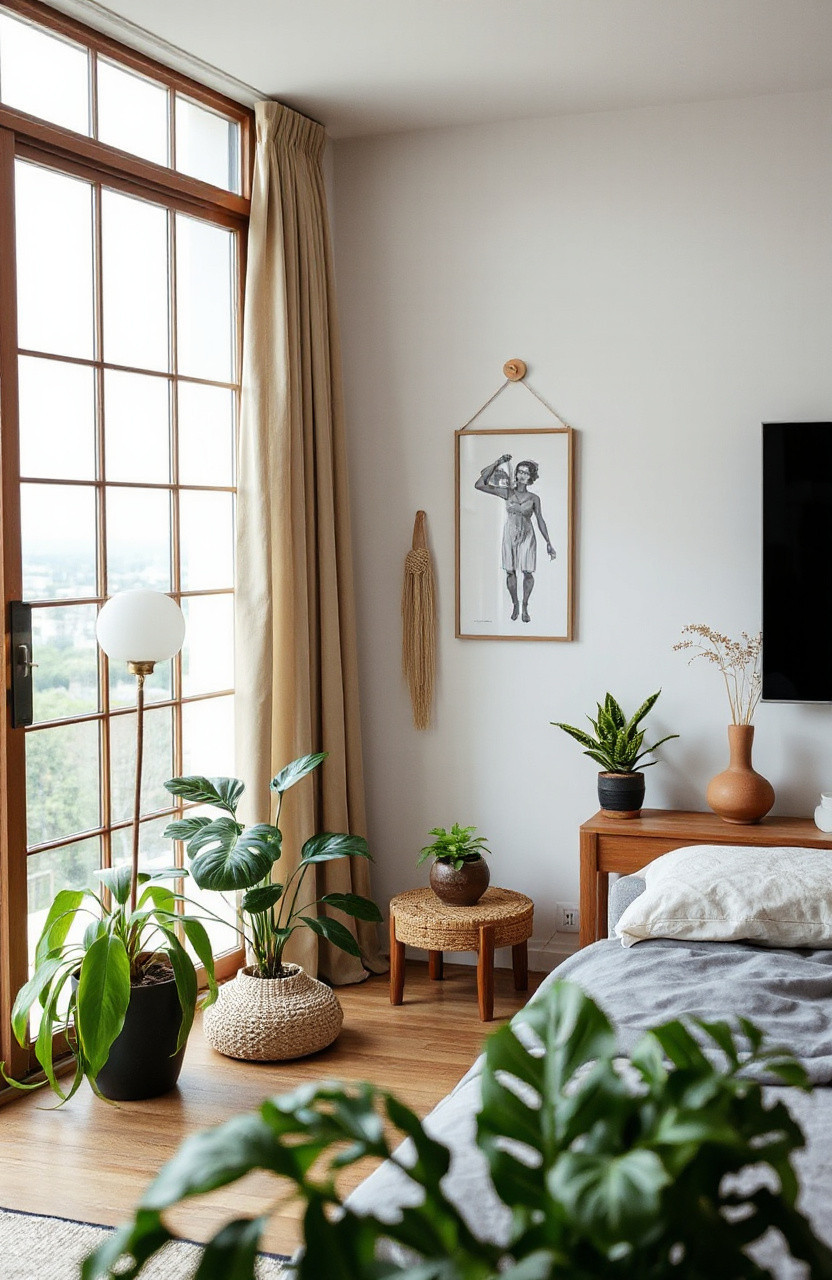
Add life to your space with carefully selected greenery. Plants are essential in Japandi interiors, bringing vital energy and a connection to nature. Choose specimens with interesting shapes like:
- Fiddle leaf figs for dramatic height
- Snake plants for architectural lines
- Monstera for bold, sculptural leaves
- Bonsai trees for Japanese tradition
Place them in simple ceramic or wooden planters to maintain the minimalist aesthetic.
Natural Textiles
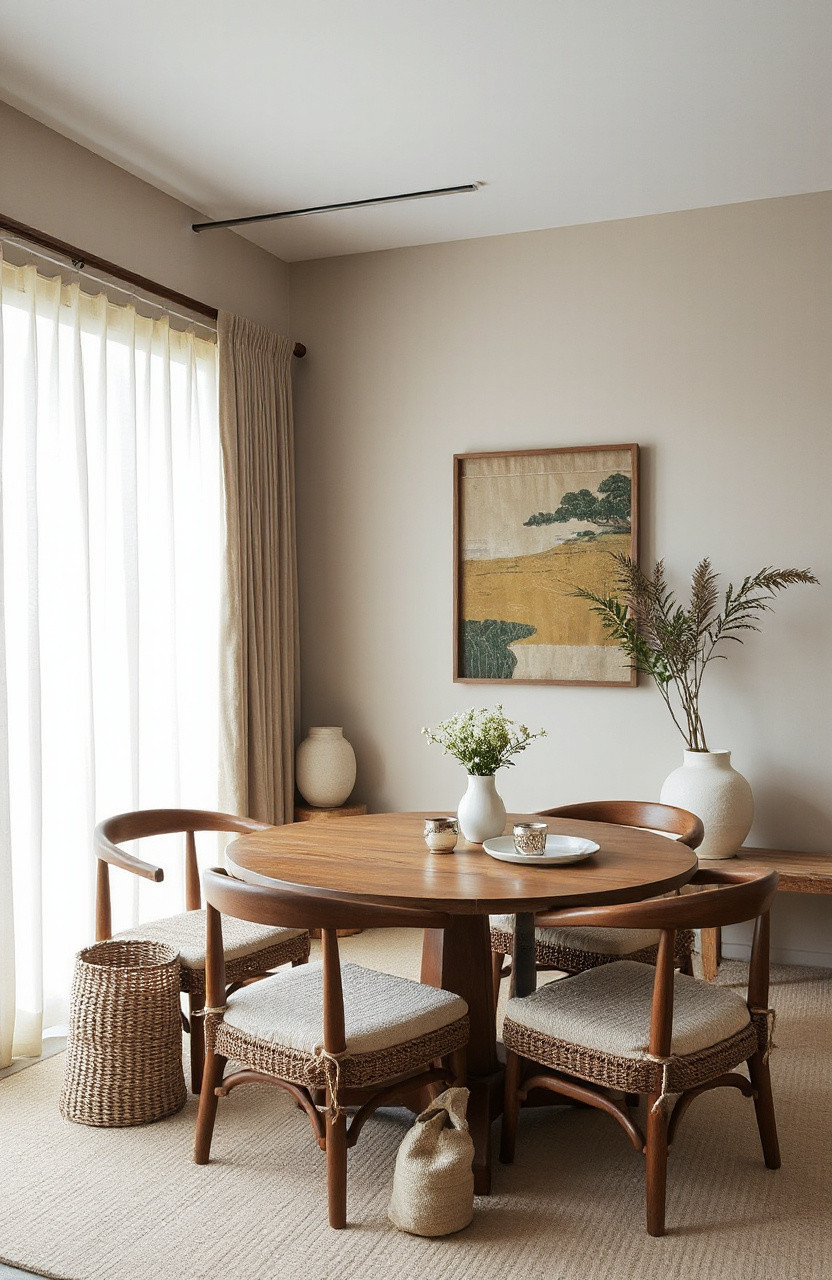
Layer organic fabrics to add warmth and texture. Linen, cotton, wool, and hemp all feature prominently in Japandi interiors. Use these materials for:
- Curtains that filter light beautifully
- Throw pillows in subtle textures
- Blankets that invite lounging
- Table linens for everyday use
The slight imperfections in natural fabrics add character while still feeling refined.
Clean Lines
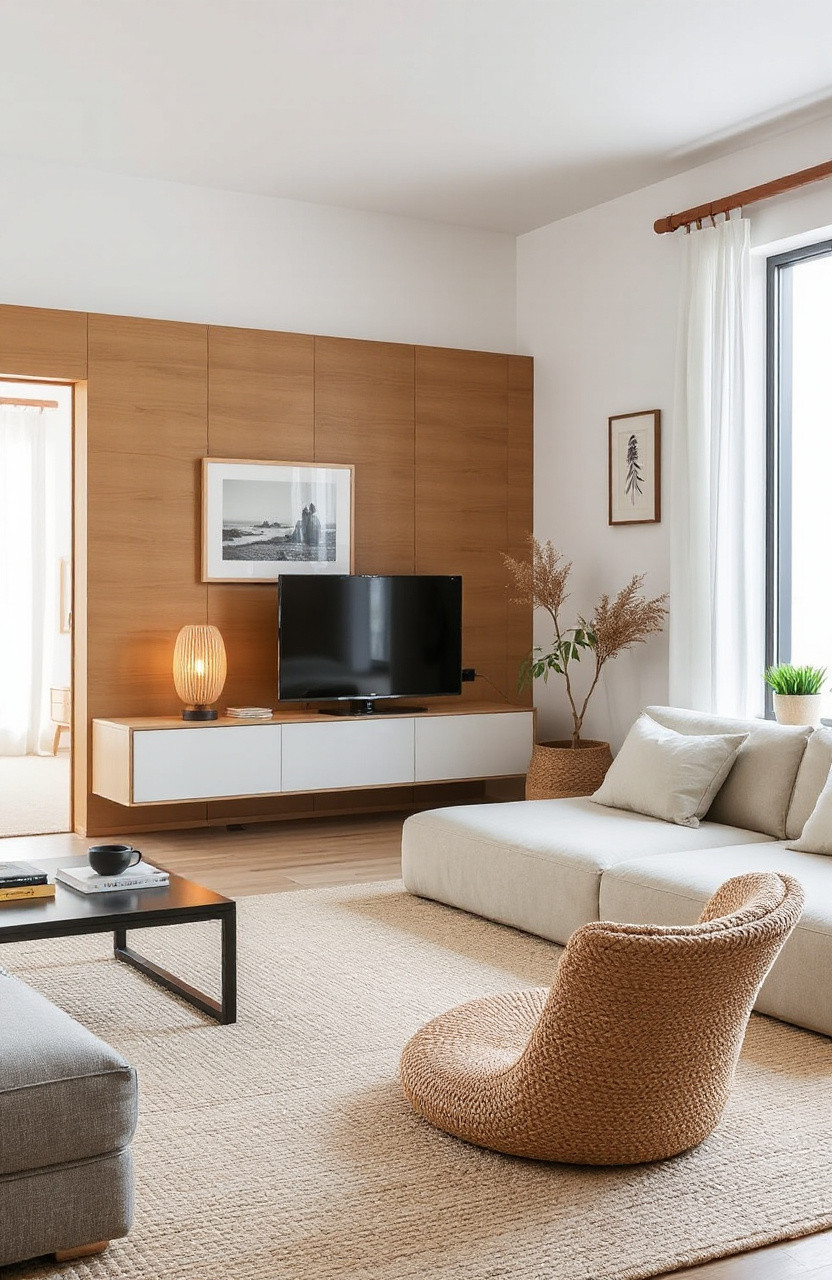
Embrace furniture and architecture with straightforward, uncluttered silhouettes. Japandi style avoids ornate details in favor of simple, purposeful forms. Look for sofas with straight edges, tables with minimal frames, and lighting fixtures with geometric shapes. These clean lines create a sense of order and tranquility while still allowing for comfort and functionality.
Thoughtful Storage
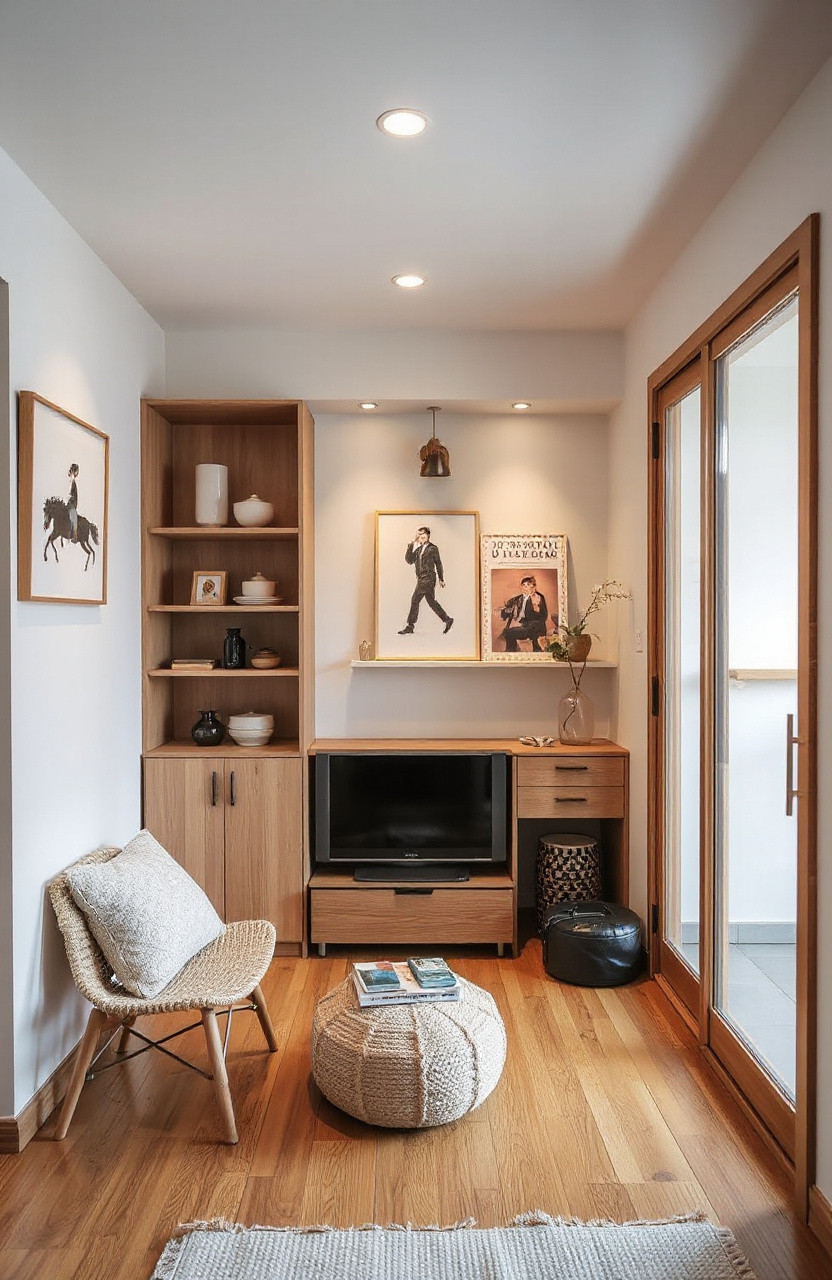
Hide clutter behind closed doors or in beautiful containers. Nothing disrupts the peaceful Japandi vibe faster than visual clutter. Invest in quality storage pieces like wooden cabinets, woven baskets, and lidded boxes that keep everyday items out of sight. The goal is to create breathing room for your eyes and mind—a truly restorative environment.
Handcrafted Accents
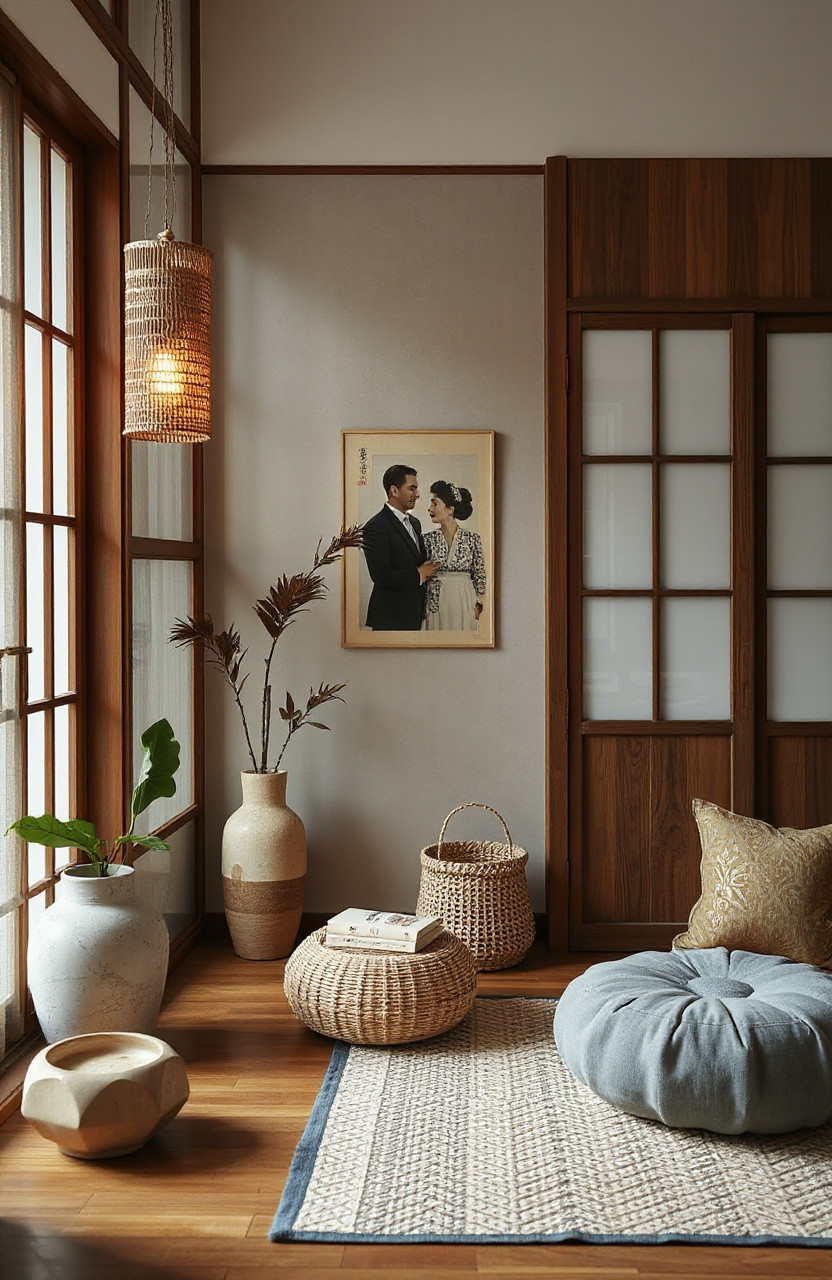
Incorporate items made by artisans that show the human touch. In Japandi spaces, you’ll often find ceramics, textiles, and wooden objects that weren’t mass-produced. These pieces bring soul and character to your home while honoring the traditions of craftsmanship. Look for pottery with subtle imperfections, hand-loomed textiles, or wooden utensils shaped by human hands.
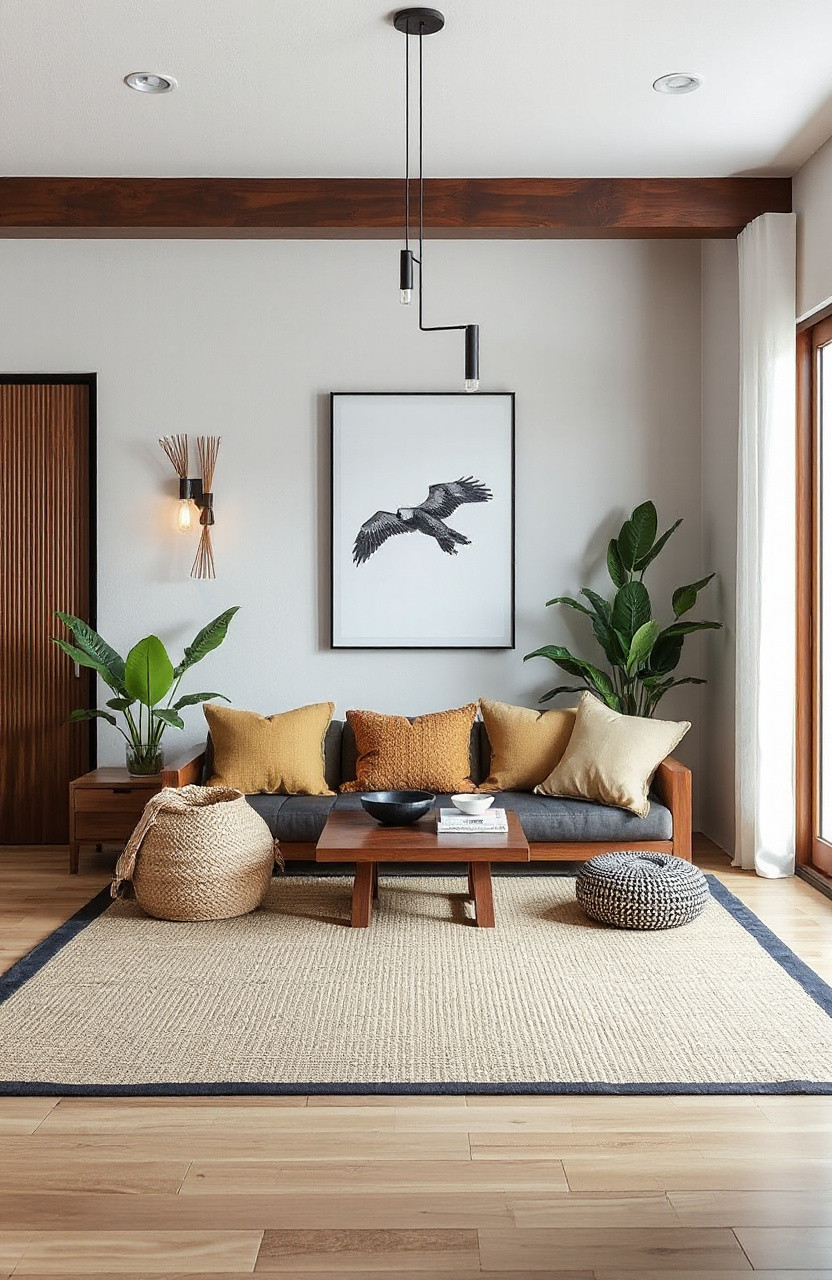
Contrast Through Texture
Create visual interest by mixing different surface qualities. Since Japandi interiors often feature limited color palettes, texture becomes especially important. Combine smooth ceramics with rough-hewn wood, soft linens with sleek metal, or matte finishes with subtle sheens. These tactile contrasts keep the space feeling dynamic despite its restraint.
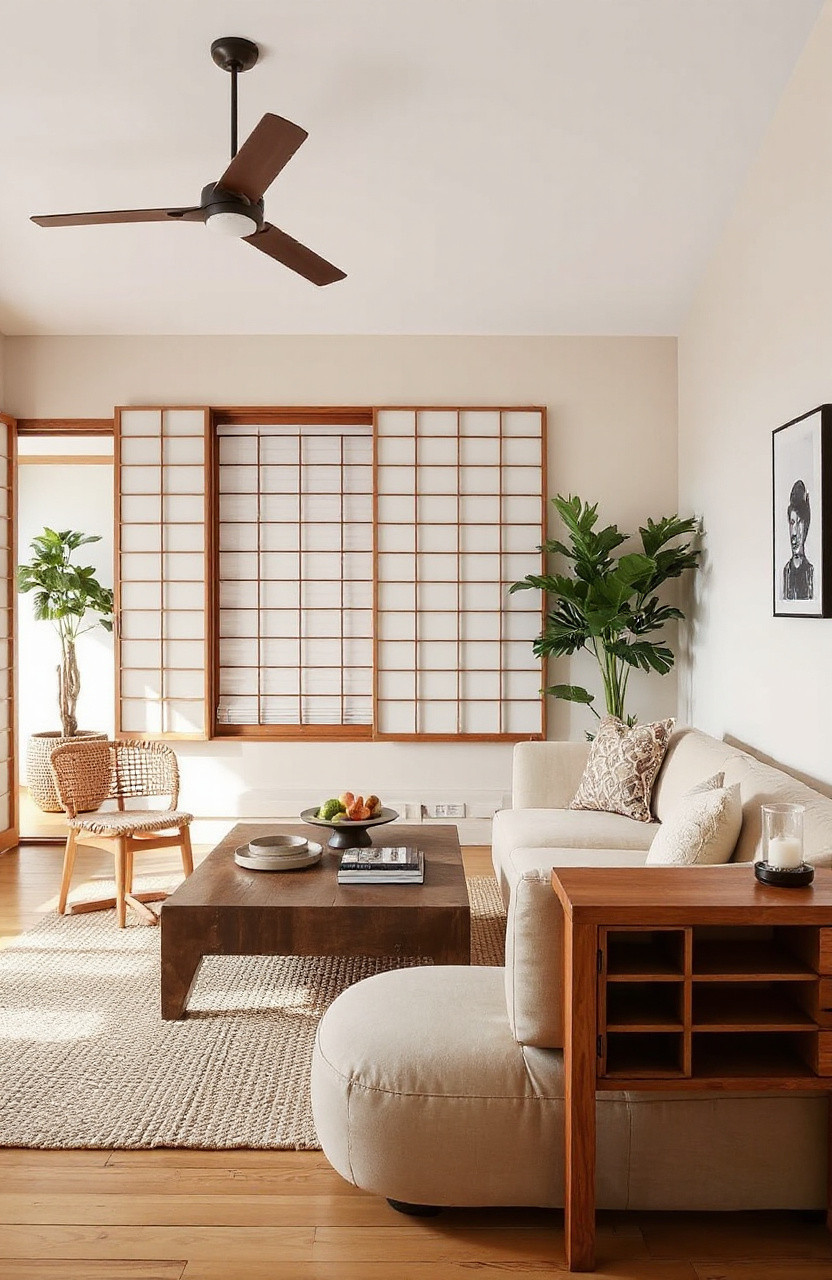
Negative Space
Value emptiness as much as objects—maybe even more. Japandi design embraces the concept of “ma” (Japanese) or “luftighet” (Scandinavian)—the beauty of negative space. Don’t feel compelled to fill every surface or corner. Instead, allow areas of emptiness to create rhythm and breathing room throughout your home. This intentional spaciousness feels luxurious and calming.
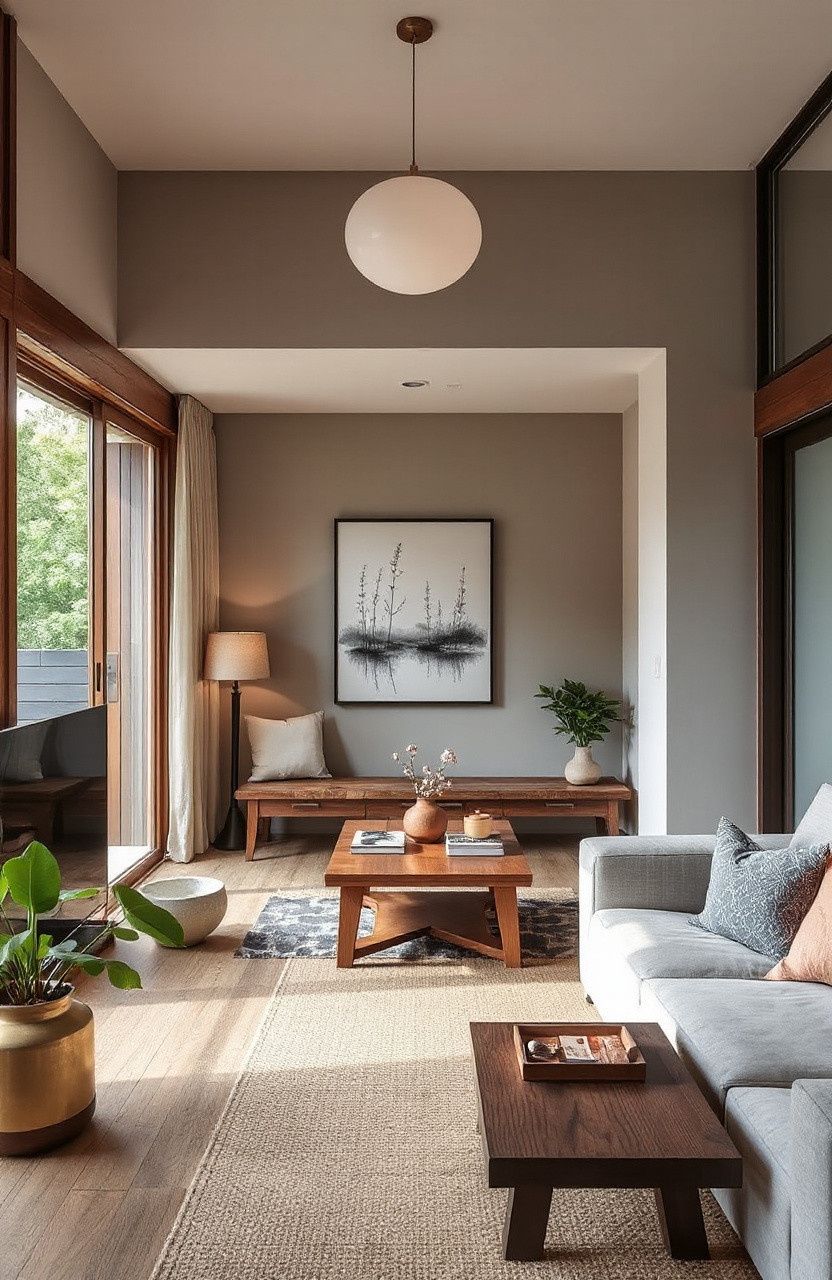
Natural Light
Maximize daylight and supplement with warm, soft artificial lighting. Large windows with minimal coverings are ideal for Japandi spaces, allowing sunlight to highlight natural materials and create shifting patterns throughout the day. For evenings, choose lighting fixtures with warm bulbs and simple designs—paper lanterns, wooden floor lamps, or minimalist pendants work beautifully.
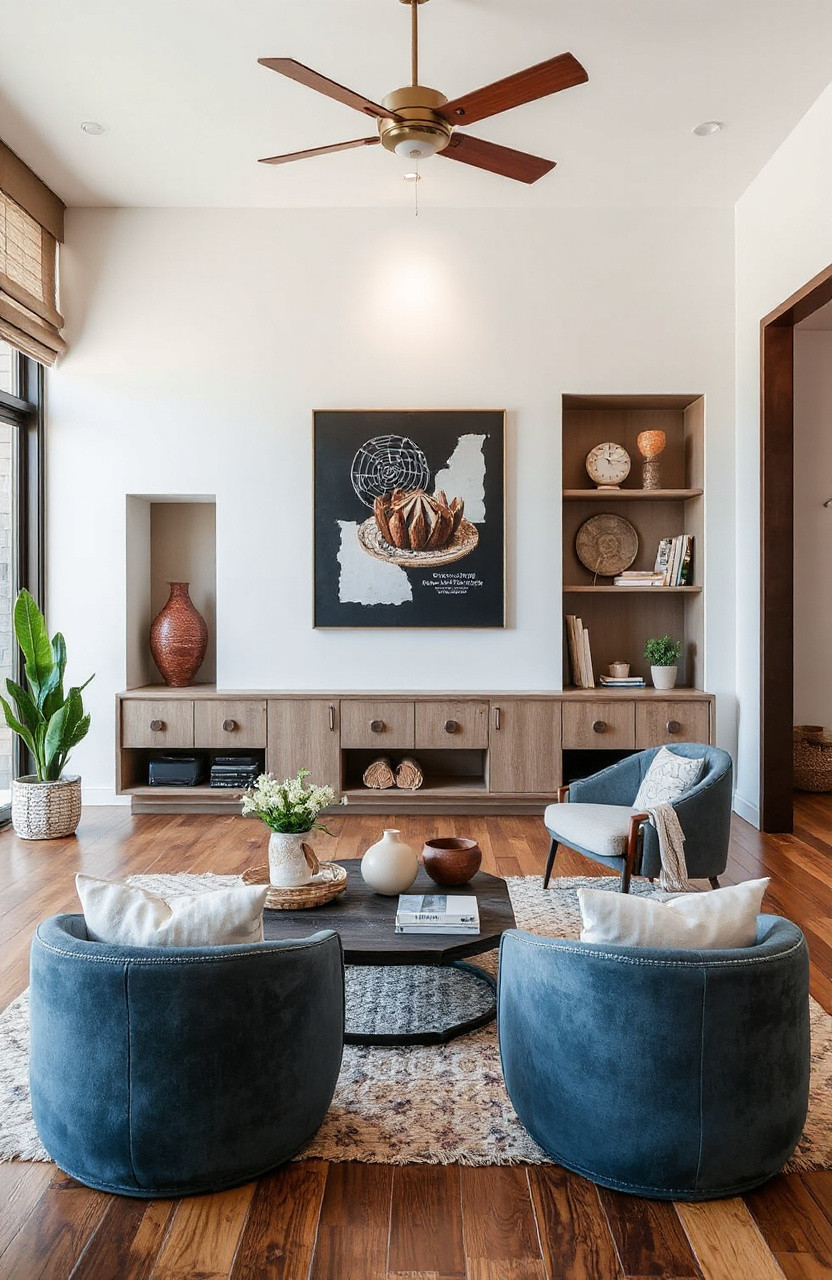
Asymmetrical Balance
Arrange objects with intentional imperfection. Unlike formal symmetry, Japandi design often features deliberately off-center arrangements that feel more natural and authentic. This might mean placing a lone vase slightly off-center on a shelf, hanging art at varied heights, or creating furniture groupings that aren’t perfectly matched but still feel harmonious.

Multifunctional Pieces
Invest in furniture that serves multiple purposes. A hallmark of both Japanese and Scandinavian design is practicality, which often translates to versatile pieces. Consider:
- Storage ottomans that work as seating and tables
- Extendable dining tables for everyday use and entertaining
- Modular sofas that can be reconfigured
- Nesting tables that can be separated when needed
These smart solutions help maintain minimalism without sacrificing functionality.
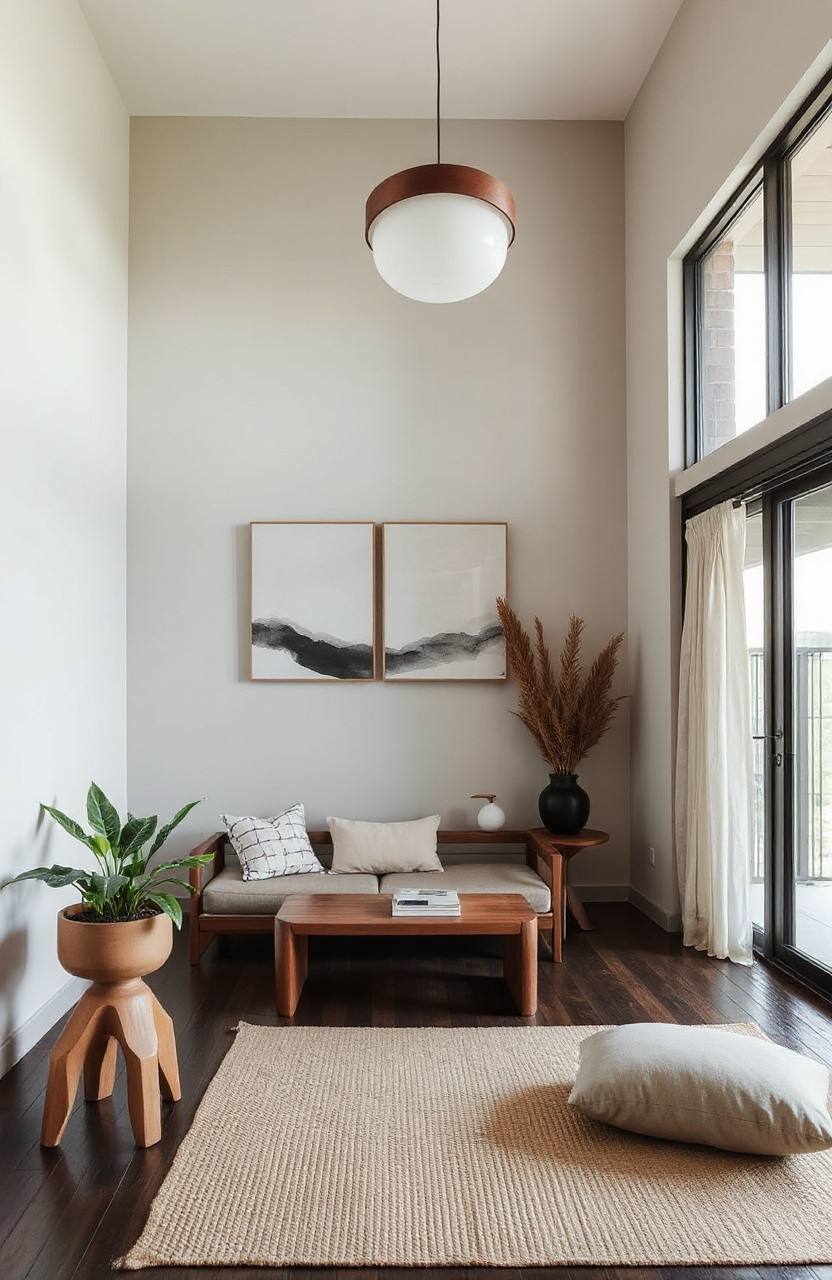
Organic Shapes
Balance straight lines with gentle curves inspired by nature. While Japandi interiors often feature geometric elements, they’re softened by organic forms that reference the natural world. Look for:
- Round coffee tables
- Curved chair backs
- Irregular ceramic vessels
- Softly shaped pillows
- Mirrors with undulating edges
These shapes bring a subtle dynamism to otherwise structured spaces.
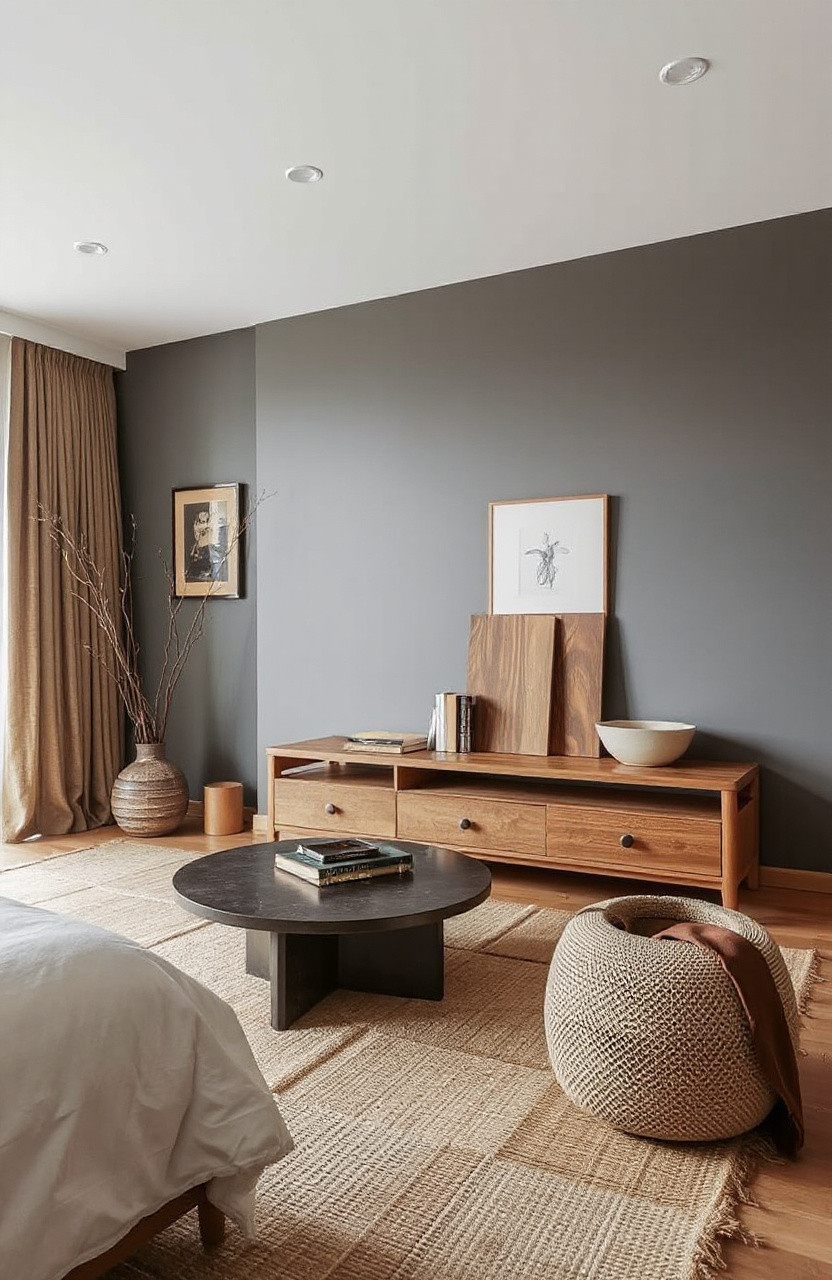
Mindful Materials
Choose sustainable, natural materials whenever possible. The Japandi philosophy embraces environmental consciousness through materials like:
| Material | Common Uses |
|---|---|
| Bamboo | Flooring, accessories, furniture |
| Cork | Flooring, wall coverings, small accents |
| Reclaimed wood | Tables, shelving, decorative objects |
| Natural stone | Countertops, decorative elements |
| Jute | Rugs, baskets, lighting fixtures |
These materials age beautifully, developing patina and character over time.
Subtle Pattern
Incorporate minimal prints that don’t overwhelm the space. When patterns do appear in Japandi interiors, they’re typically subtle and nature-inspired. Consider:
- Fine pinstripes on bedding
- Gentle waves on ceramics
- Abstract botanical prints in artwork
- Tonal geometric patterns on rugs
- Watercolor-like washes on textiles
These delicate patterns add interest without competing with the overall serenity of the space.
Harmonious Color Flow
Create a cohesive palette that transitions smoothly between spaces. While individual rooms may have slightly different emphasis colors, they should all feel connected through a consistent underlying palette. This might mean varying shades of the same neutral family or introducing small amounts of accent colors that reappear throughout your home, creating a sense of intentional design.
Practical Beauty
Select everyday items that are both useful and aesthetically pleasing. In Japandi homes, even the most utilitarian objects are chosen with care. Think wooden cooking utensils displayed in a ceramic holder, a handwoven broom leaning artfully in a corner, or linen napkins casually draped on a dining table. When necessary items are beautiful, you need fewer purely decorative objects.
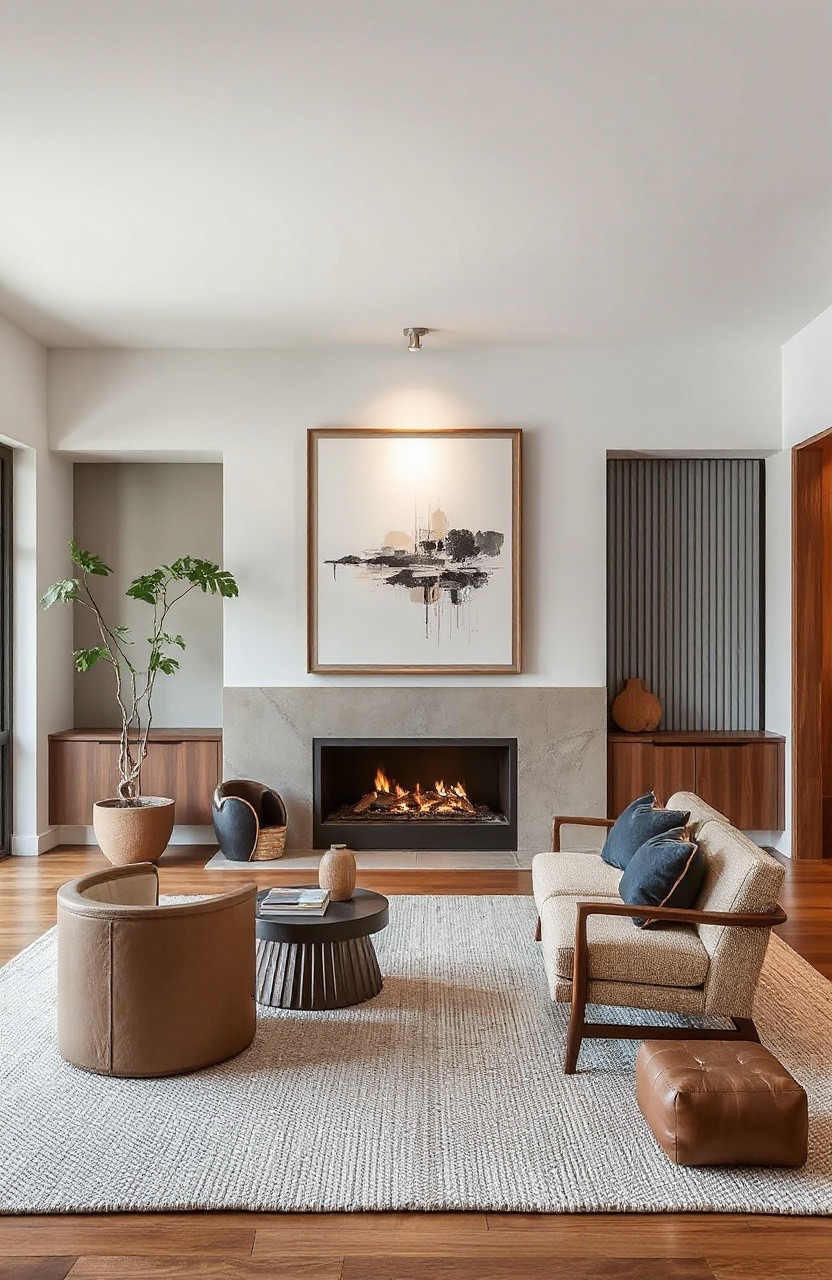
Minimalist Art
Choose artwork with significant negative space and simple compositions. Art in Japandi spaces tends toward the minimal—think black ink brushstrokes, abstract landscapes in muted tones, or simple line drawings. Frames should be thin and unobtrusive, often in natural wood or slim black metal. The goal is for art to enhance the tranquility of the space rather than demand attention.
Cozy Comfort
Ensure your minimal space still feels inviting and lived-in. The Scandinavian concept of “hygge” (coziness) balances Japanese minimalism perfectly. Add softness through:
- Plush area rugs underfoot
- Comfortable seating with supportive cushions
- Soft throws draped invitingly
- Warm lighting at various heights
- Natural scents from wood, plants, or essential oils
These elements ensure your Japandi space feels like a home, not a museum.
Finding Your Japandi Balance
Creating a Japandi home isn’t about following strict rules—it’s about finding your personal balance between minimalism and warmth. Some people might lean more into the Japanese aesthetic with cleaner lines and more negative space. Others might emphasize the Scandinavian elements with extra textiles and slightly more accessories.
What matters is creating a space that feels intentional, peaceful, and uniquely yours. Start with one room, incorporating these ideas gradually until you find the perfect balance for your lifestyle. And remember—in true Japandi fashion, less really is more.
Transform your home with these 20 Japandi decor ideas that perfectly blend Japanese minimalism with Scandinavian warmth. Discover how to create a peaceful, stylish living space.